Shipping a vehicle into, out of, or across Chicagoland looks straightforward until you get down to choices. The biggest fork in the road is open versus enclosed transport. Both get cars from point A to point B, but they trade protection, price, speed, and flexibility in different ways. If you have ever watched a multi-car carrier rolling down the Kennedy Expressway with a stack of SUVs and sedans, you have seen open transport at work. If you have ever noticed a long, boxy trailer with vents and a single rear door, that is an enclosed carrier likely moving something that costs more than most houses.
I have booked, overseen, and troubleshot hundreds of moves with Chicago auto transport companies. The right choice depends less on the marketing promises and more on your vehicle’s profile, your timing, and your tolerance for risk. Before you put down a deposit, it helps to understand what actually happens once your car leaves your driveway or garage, and how Chicago’s climate, traffic patterns, and neighborhood logistics change the calculus.
What “open” and “enclosed” really mean on the street
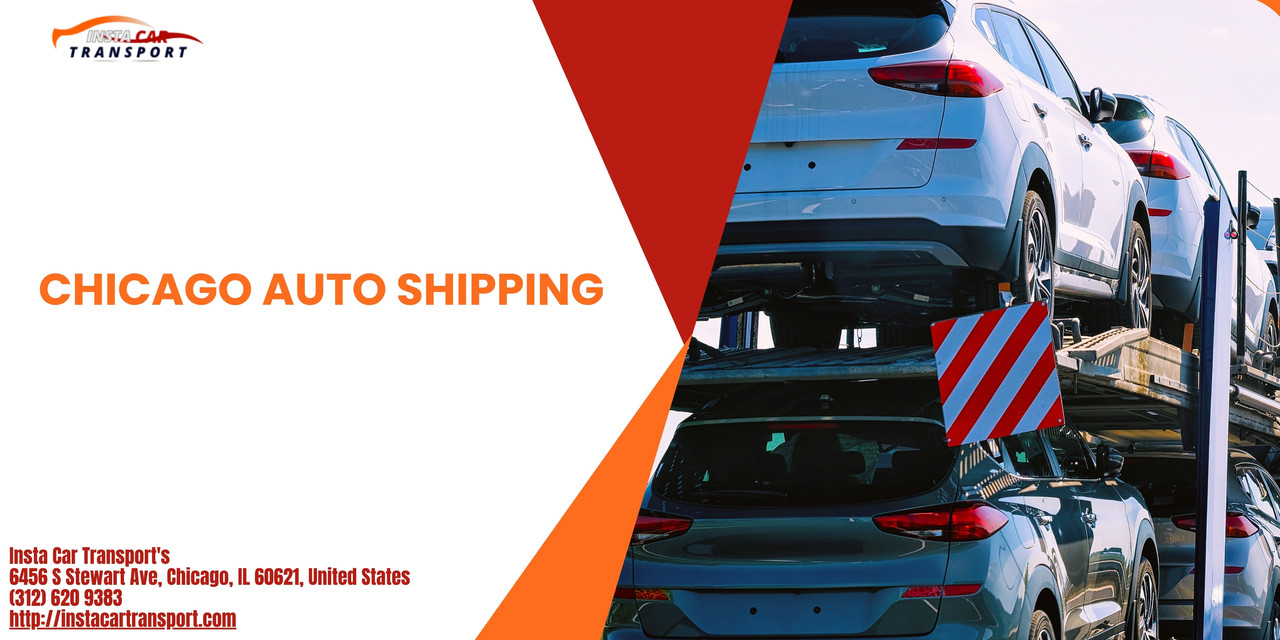
Open transport uses a two-level, exposed trailer, typically loading seven to ten vehicles. Picture the classic cross-country hauler with ramps and visible tie-down points. Open carriers dominate the market, so they are cheaper and easier to book. They are also lighter and more maneuverable in city traffic, which matters when a driver has to wriggle into a designated loading zone near River North on a Tuesday afternoon.
Enclosed transport means your vehicle rides inside a fully covered trailer. The trailer shields the car from rain, road grit, and prying eyes. Most enclosed units carry one to six vehicles and often include hydraulic lift gates that keep low-clearance cars level during loading. Enclosed transport is a specialty service, and it behaves like one: fewer trucks, higher rates, and more attention to detail on each load.
Regardless of the trailer type, both options generally use soft straps over the tires or gentle undercarriage tie-down points. The difference is exposure, handling, and the type of freight your car rides alongside.
Chicago-specific realities that affect the decision
Chicago’s seasons do not ask for your permission. They show up.
Late fall through early spring brings freeze-thaw cycles, road salt, and slush that can cover a freshly detailed car during a 12-mile hop from a suburban terminal to a city delivery point. Summer storms fling debris and water sheets off the Dan Ryan. Construction season never ends, and dust follows any detour. The city’s density complicates curbside loading. Many neighborhoods require coordination for a legal, safe stop, and some streets are simply too tight for a 75-foot rig.
The upside: Chicago is a major lane for national freight. There is plentiful supply for open carriers and a healthy, though smaller, supply for enclosed trucks. If you are flexible on pickup and drop-off windows, your car can often be loaded within 2 to 5 days for open transport and 3 to 7 days for enclosed, even during busy times like college move-in weeks or snowbird season.
Typical use cases that map well to each option
Take a quick tour through scenarios that come up again and again.
Daily drivers and fleet vehicles: If you are moving a commuter car, a company van, or a leased SUV with a few rock chips already, open transport usually makes the most sense. The cost savings are real, and cosmetic exposure can be managed with proper prep. For Chicago car transport on common routes like Chicago to Dallas or Chicago to Atlanta, open carriers run daily in season.
Luxury and exotic cars: High-end models benefit from enclosed, not because open is unsafe, but because the value equation changes. Paint correction and wheel touch-ups cost more than the price gap between open and enclosed on a 700-mile run. Enclosed carriers use lift gates that prevent front splitters from scraping, and drivers tend to be deeply experienced with low-clearance, high-torque cars. If you are shipping a 911 Targa to the North Shore or a new EV with rare trim to a West Loop condo, enclosed is worth the premium.
Vintage and collector vehicles: Older cars often have idiosyncrasies, from hard-start quirks to delicate trim. Enclosed transport shields them from wind-driven moisture and road grime that can find weak spots in weatherstripping. Many Chicago auto transport companies will pair an enclosed run with white-glove handling, including battery tenders and drip trays on request.
Fresh restorations and custom paint: Fresh paint can be vulnerable for weeks. Even a clean, dry open run can leave microscopic pitting from road dust. If you just spent five figures on bodywork or ceramic coating, do not gamble that week’s forecast will behave. Enclosed limits variables.
Non-running vehicles: Either type can manage inoperable cars if the trailer is equipped and the driver knows the drill. That said, enclosed operators are often more practiced with winching low or delicate vehicles. Expect a non-op fee. Let the broker know the exact condition - rolling, steering, braking, dead battery - so the right equipment shows up.
Cost, timing, and what drives both up or down
Price and schedule are intertwined. Open transport leverages volume, and volume meets schedules. Enclosed relies on niche demand and curated routes.
On common lanes - say Chicago to Los Angeles or Chicago to Florida - open carriers often price in the range of 50 to 85 cents per mile depending on season, vehicle size, and urgency. Enclosed tends to run about 1.5 to 2.5 times that, occasionally higher for single-car enclosed units or rare routes. A standard, operable sedan from Chicago to Phoenix might book around the middle of those ranges in late spring. A lifted pickup or oversized SUV increases the footprint and weight, nudging the rate up no matter the trailer type.
The calendar matters. Late January can be chaotic when snow and subzero temps slow loading. Early May and late August surge with student moves and job relocations. December often softens, but storms can erase that advantage overnight. The most reliable way to shave cost without sacrificing quality is to give the carrier a wider pickup window. A three-day pickup window lets dispatchers optimize routes and reduces the premium you pay for urgency.
Risk, exposure, and how to think about them like an owner
Every move carries some risk. What you are buying is the management of that risk. Open transport exposes the vehicle to the elements, including rain, UV, salt, dust, and pebbles. Actual transport damage claims are not common, but they happen. The most frequent cosmetic issues I have seen include minor rock nicks on forward-facing surfaces, scuffs from airborne rubber or grit, and rare but memorable cases of fluid drip from a vehicle loaded above. Professional drivers try to prevent that by placing older or leaky cars on lower decks and using drip pans. It still pays to photograph your vehicle before pickup, including the roof and hood. Quality Chicago auto transport companies will require a condition report at pickup and delivery.
Enclosed transport neutralizes weather and road debris risk, and it eliminates prying eyes in public lots or rest areas. Enclosed drivers typically strap tires with soft ties and use fender covers when they need to reach into wheel wells. The remaining risks are mostly related to loading and unloading - something a careful, experienced operator manages with a slow, methodical approach and a lift gate instead of ramps.
For either option, look closely at cargo insurance. Carriers must carry liability and cargo coverage, but limits vary widely. Ask for the carrier’s certificate of insurance and confirm cargo limits that exceed your vehicle’s value if you are shipping a high-end car. Broker policies are not a substitute for carrier cargo coverage, but a reputable broker will screen carriers and step in if there is a dispute.
The preparation that makes a difference in Chicago
Prep is the quiet hero of a smooth transport. You do not need to scrub the car to concours level, but a clean exterior makes pre-trip photos honest. Remove transponders and toll tags because Chicago’s network will ping every reader the truck passes under, and you will pay for the privilege. Reduce the fuel level to between one-eighth and one-quarter of a tank. That keeps weight down and limits slosh on ramps.
Alarms can drain batteries on long trips. Disable them or at least show the driver how to silence them quickly. Note any quirks. If the driver door handle needs a two-finger pull or the clutch pedal sticks on a cold morning, say so. If your condo association requires a certificate of insurance to use the loading zone, get that arranged ahead of time. Nothing delays a delivery like a property manager who blocks a truck over paperwork.
Winter adds a few extra moves. Inspect wiper blades and seals. If the car will ride open, consider a quick detailer or spray sealant that makes frozen slush easier to rinse off upon arrival. If you run summer tires and the pickup day is below 40 degrees, warn the driver. High-performance compounds can stiffen and crack in the cold if they spin on steel ramps. A good enclosed driver with a lift gate can mitigate that, but notice is key.
Working with Chicago auto transport companies without getting burned
Chicago has seasoned carriers and brokers, but the market also attracts newcomers chasing quick deposits. A legitimate operator will be transparent about dispatch timing, carrier assignment, Chicago auto shipping and total cost. They will not ask for a large nonrefundable upfront payment before assigning a truck. If someone quotes an open transport price that seems dramatically lower than other estimates, ask how they plan to cover the lane. Carriers accept loads that pay fair market for the day. If the offer is thin, your car sits.
Ask pointed questions: How many enclosed trucks do you dispatch directly versus through partner networks? Do you offer lift-gate enclosed service for low-clearance vehicles? What is your average pickup window on Chicago to Florida in January? Can I see your carrier’s cargo insurance certificate before I authorize pickup? The answers will tell you if you are dealing with a professional or a script reader.
A broker’s value is network depth and problem-solving. If your delivery address near Wicker Park is tight, a good dispatcher will set a meet point on an arterial road or arrange a smaller shuttle truck if needed. If your gated suburb limits commercial vehicles after 6 p.m., they will time the arrival or plan a morning delivery. Details like this separate a frictionless move from a series of phone calls you did not want to make.
Open versus enclosed, side by side using real considerations
Think of the decision like a risk-and-reward slider. Open gives you scale, speed, and the country’s broadest network. Enclosed gives you privacy and protection. Price occupies the obvious gap. The less obvious gap is driver skill variance. The best open carriers are absolute pros who haul every day across the Midwest. The worst enclosed operators can still make mistakes, but the enclosed world tends to self-select experienced drivers because customers are particular and vehicles are costly.
Chicago routes concentrate some of this. On snowbird runs between Chicago and the Gulf Coast, enclosed carriers often pair client cars with seasonal moves for dealerships and high-net-worth owners. They plan their trips carefully to avoid icy passes and to use secure overnight lots. If peace of mind is worth 800 to 1,800 extra dollars on a long route, you will sleep better with enclosed. If you are moving a three-year-old family SUV from Logan Square to Scottsdale and it already has 30,000 miles of city life, open will serve you fine if you prepare it and manage expectations.
How delivery actually happens in a dense city
Most car carriers will not snake a full-size rig down a narrow side street lined with parked cars and low branches. Instead, the driver will coordinate a nearby wide street, a school or park parking lot, or a commercial loading zone. For larger buildings downtown, property managers often have specific docks and time windows. Communicate your constraints early. If your only availability is after work and your street prohibits commercial loads after 5 p.m., the driver will need to set a meet point or plan for the next morning.
Do not fixate on exact ETA in urban areas. Traffic on the Dan Ryan or Stevenson can add hours to a day. A serious operator keeps you updated and adjusts plans. Your role is to be reachable, flexible within reason, and ready with keys, photos, and a quick walkaround at delivery. If something looks off, note it on the bill of lading before you sign.
Common myths that lead to poor choices
“Enclosed is always safer.” It is safer with respect to weather and road debris, and it often comes with more careful handling, but it does not eliminate all risk. A rushed load can scratch a wheel in any trailer if the operator is careless. Choose the team, not just the box.
“Open transport will ruin my paint in winter.” Salt spray can cling to a car, especially on wet days. It is unsightly, not catastrophic. Wash the vehicle promptly upon arrival, paying attention to wheel wells and underbody if possible. A pre-trip sealant helps. Serious paint damage from open transport is rare compared to the millions of successful moves each year.
“I need door-to-door delivery at my exact address downtown.” You probably need door-to-nearby-corner. Carriers will work with you, but physical constraints win. A half-mile handoff is not a red flag, it is smart logistics.
“Cheapest quote is fine because all carriers are insured the same.” Policies vary, and some carriers run minimal cargo limits. Your broker should verify the carrier’s coverage for your specific vehicle and share documentation.
When enclosed is worth every dollar
If you are moving a car that would make you sweat if a dust devil whipped across a parking lot, buy enclosed. If your vehicle has minimal ground clearance, expensive wheels with polished lips, carbon-ceramic brakes that collect grit, or a custom wrap that scratches if you breathe on it wrong, enclosed minimizes your exposure. I have watched owners of restored GTOs and R8s relax for the first time in a week when they see that lift gate lower to perfect level, the driver slip on fender covers, and the car glide in with spotters at each corner.
Enclosed also limits who sees your car. That matters if you want privacy or if the vehicle will sit on the truck overnight near a busy area. Most enclosed carriers park in secure lots or industrial zones rather than public truck stops. It is not a guarantee against all risks, but it shortens the list.
When open is the smarter play
You are moving cross-country for work, and your daily driver needs to arrive near the day you fly. You want the largest pool of trucks and the most competitive pricing. You want drop-and-go simplicity. Choose open. The driver will likely pick up your car along with several others, routing through Chicago, Indianapolis, and St. Louis like clockwork. You will get messages when the truck is a day out, then a few hours out, and a clean handoff in a wide-lane lot.
If the car has a few dings and you are comfortable rinsing off road dust at arrival, you will pocket the savings and arrive on schedule. If you have a second car or a friend to help at delivery, you can meet the truck at a practical location that keeps everyone calm and legal.
How to frame your final decision
Make the call using four levers: vehicle value and sensitivity, budget, schedule flexibility, and risk tolerance. Assign each a rough weight. A $120,000 coupe that you baby every weekend tips the scale toward enclosed even if you need to wait an extra day for the right truck. A $20,000 commuter car where time and budget matter more tips toward open. If you fall right in the middle, split the difference by firming up the operator rather than the trailer type. A top-tier open carrier beats a questionable enclosed operator every day.
And do not underestimate the human element. The best Chicago car transport experiences come from teams who ask good questions, respect the city’s constraints, and call when realities change. I have moved cars in ice storms, during festivals that shut down half the grid, and on days when the wind off the lake turns ramps into skating rinks. The jobs that went smoothly had one thing in common: honest communication among owner, broker, and driver.
A short, practical comparison you can use right now
- Open transport: Lower cost, faster scheduling, widest availability. Exposure to weather and debris, solid for daily drivers and standard SUVs. Best fit when budget and timing lead, and the vehicle does not demand special handling. Enclosed transport: Higher cost, narrower availability, more protection and privacy. Ideal for luxury, exotic, vintage, freshly restored, or low-clearance cars. Best fit when preservation and discretion lead, and you can offer a slightly wider pickup window.
What to do next if you are booking in Chicago
Start with three quotes from established Chicago auto transport companies or reputable national brokers with strong Midwest lanes. Share exact details: year, make, model, modifications, ground clearance, operability, pickup and delivery constraints, and target dates. Ask to see the sample bill of lading, proof of cargo insurance, and photos of the actual trailer type they plan to use. If you are leaning enclosed, request lift-gate confirmation and ask how they protect low front lips and carbon-ceramic brakes. If you are leaning open, ask about upper-deck placement and how they handle drip protection and strap points.
Set realistic windows. A three-day pickup window and a similar delivery window gives dispatchers space to place your car on the right truck rather than the first available. Keep your phone on, reply quickly to scheduling texts, and have a clean, photographed car with a single set of keys ready at curb or meet point. If your building or neighborhood requires permits or restricts commercial parking, line that up two or three days ahead.
When the truck arrives, spend five minutes walking the car with the driver, noting any pre-existing scratches, chips, or wheel rash on the condition report. Do the same at delivery. If something changed, mark it on the paperwork before you sign. Honest drivers respect owners who document carefully because it protects everyone from fuzzy memories and internet arguments.
The bottom line
Both open and enclosed transport work well for Chicago routes when you match the method to the mission. Open is the reliable workhorse, abundant and efficient, ideal for everyday vehicles and time-sensitive moves. Enclosed is the tailored suit, protective and discreet, a smart call for high-value, low-clearance, or freshly finished cars. Chicago’s weather and density add wrinkles, not roadblocks. Plan for those realities, partner with pros, and choose the option that aligns with your priorities. The right decision feels obvious once you ground it in your car, your timing, and your comfort with risk, not in generalized promises or bargain-basement quotes.
Contact Us:
Insta Car Transport's
6456 S Stewart Ave, Chicago, IL 60621, United States
(312) 620 9383